English| USD
Suggested for you
More currencies
Choose a language
The reefs surrounding Ras Mohamed National Park host several shark species throughout the year. Most snorkelers encounter small reef sharks during daylight hours, particularly near drop-offs and coral walls. Understanding which species inhabit these waters helps visitors snorkel confidently in one of the Red Sea's most biodiverse marine reserves.
Quick answer
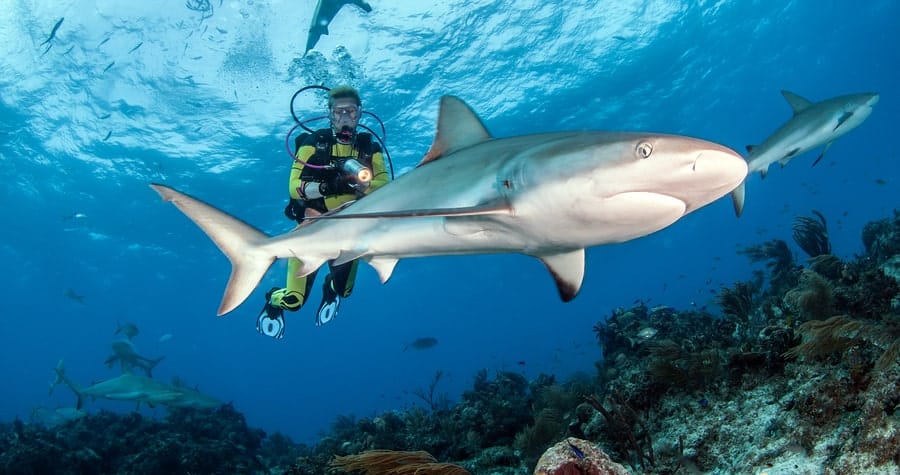
Yes, there are sharks in Sharm El Sheikh's waters, particularly within Ras Mohamed National Park. The most common species are whitetip reef sharks and blacktip reef sharks, both docile and typically under two meters in length. Grey reef sharks appear less frequently near deeper drop-offs. These species pose negligible risk to snorkelers—attacks are extraordinarily rare in the Red Sea, and the sharks actively avoid human contact during daylight hours.
Whitetip reef sharks patrol the shallow coral gardens of Ras Mohamed year-round, often resting in caves and under ledges during midday heat. Snorkelers swimming above the reef plateau rarely see them in open water, but those exploring channel edges at Shark Reef and Yolanda Reef encounter individuals cruising the wall's base between 8 and 15 meters depth. Blacktip reef sharks prefer the park's sandy-bottom lagoons and mangrove channels along the coastline north of the main peninsula. Juveniles congregate in water less than three meters deep, where they hunt small fish near the surface. Adult blacktips grow to 1.6 meters and display distinctive black-tipped dorsal and pectoral fins. Both species feed primarily at dawn and dusk, targeting reef fish and cephalopods rather than larger prey. Grey reef sharks represent the park's largest resident species, reaching 2.5 meters in mature adults. They inhabit the outer reef slopes and open water beyond the 20-meter contour, where strong currents deliver nutrient-rich water from the Gulf of Aqaba. Divers report sightings more frequently than snorkelers, though grey reefs occasionally patrol the surface near Shark Reef's southern tip during early morning hours. The species displays threat posturing—arched back, lowered pectoral fins—when approached too closely, a clear signal to maintain distance. Ras Mohamed's shark populations benefit from three decades of legal protection within the national park boundary. Fishing bans enacted in 1983 allowed reef shark numbers to stabilize after decades of commercial overharvesting across the northern Red Sea. The 200 EGP conservation fee funds ongoing marine monitoring and enforcement patrols that prevent illegal fishing inside park waters. Snorkelers contribute directly to habitat preservation each time they enter the reserve, supporting the ecosystem that sustains these apex predators alongside 220 coral species and more than 1,000 fish species documented within the park's 480 square kilometers.
“Whitetip reef sharks patrol the shallow coral gardens of Ras Mohamed year-round, often resting in caves and under ledges during midday heat.”
The best arrival window for Ras Mohamed National Park is 07:00–10:00. Arriving during this period helps you avoid mid-day heat and the large volume of visitors arriving on tour buses.
—
Quiet access to snorkeling sites allows for better observation of marine life.
Mild air and water temperatures
These months offer comfortable snorkeling conditions before summer peak heat.
Hot, intense sun
Tour buses typically arrive by mid-morning, increasing noise and crowded waters.
Verdict: For the quietest experience, aim for a weekday arrival between 07:00 and 10:00 during the months of April or October.
Ras Mohamed National Park remains open to visitors every day of the week, including weekends. Planning your visit within these standard hours allows for access to the protected areas and snorkeling sites.
Preserving the delicate ecosystem of Ras Mohamed requires conscious behavior from every visitor in the water.
The reef is a living organism; even light contact can kill coral polyps or cause infection. Maintain a neutral buoyancy and hover horizontally to avoid accidental collisions with your fins.
Standard sunscreens contain chemicals like oxybenzone that damage coral DNA and disrupt marine life. Choose lotions labeled reef-safe or wear a long-sleeved rash guard to minimize the need for chemical protection.
Practice clearing your snorkel and adjusting your mask in shallow water before venturing over deep reef drop-offs. Being comfortable with your equipment prevents panic and ensures you do not inadvertently kick the reef while adjusting gear.
Observe marine life from a distance rather than pursuing fish or sea turtles. Chasing animals alters their natural feeding and resting habits, often causing them to abandon their habitat.
Use short, controlled fin strokes to move through the water. Avoid powerful kicks that stir up sediment, as silt can smother corals and reduce water clarity for other snorkelers.
Everything you need to know about are there sharks in sharm el sheikh
While the Red Sea is home to various marine species, reports of sharks in Sharm El Sheikh near the park are rare and typically involve deep-water species far from snorkeling sites. Local authorities monitor these waters closely to maintain swimmer safety for all visitors.
Snorkeling here is considered safe when you follow park guidelines and stay within designated areas. Experienced guides regularly assess conditions to ensure that the question are there sharks in Sharm El Sheikh does not disrupt your visit.
You will likely encounter vibrant coral reefs, butterflyfish, parrotfish, and sea turtles. While people often worry are there sharks in Sharm El Sheikh, the biodiversity here is primarily focused on reef-dwelling creatures.
We recommend arriving during the best arrival window of 07:00–10:00. This helps you avoid mid-day heat and large groups from tour buses, ensuring a peaceful experience.
The entrance fee is 200 EGP per person. This conservation fee supports the preservation of the park’s fragile ecosystem.
Whether in autumn or any other season, the chances of encountering a shark remain very low for casual snorkelers. Many travelers still ask are there sharks in Sharm El Sheikh, but sightings remain an exception rather than the rule.
Always remain calm and maintain a respectful distance from all marine life. Avoid touching or feeding fish, and follow the instructions provided by your tour leader to ensure a safe experience.
Best Snorkeling Spots in Sharm El Sheikh
Read more GuideSnorkeling in Sharm El Sheikh vs Hurghada
Read more GuideSnorkeling Price and Costs in Sharm El Sheikh
Read more GuideBest Hotels for Snorkeling in Sharm El Sheikh
Read more GuideIs It Safe to Fly to Sharm El Sheikh?
Read more Tickets & toursSharm El Sheikh Snorkeling Boat Trips
Read more Tickets & toursPrivate Snorkeling in Sharm El Sheikh
Read more